Key Signs That It Is Time to Arrange Gutter Cleaning Near Me Today
Gutters form an important part of a property's rainwater management system, yet they can easily be overlooked during routine maintenance. Positioned along the roofline, they collect rainwater and direct it towards downpipes, helping to move water away from walls, windows, foundations and surrounding ground. When leaves, moss, twigs and other debris begin to accumulate, this process can become less effective and eventually lead to visible problems around the building.
For homeowners, landlords, surveyors and local authorities, recognising the early warning signs of blocked or poorly maintained gutters can make property care easier to manage. The same applies to those responsible for commercial buildings, where long rooflines, surrounding trees and limited access can make routine inspection particularly important.
Searching for gutter cleaning near me can become necessary when water no longer appears to be travelling through the drainage system as expected. Overflowing sections, plant growth, staining and sagging components can all indicate that maintenance should be considered rather than postponed.
Chelmsford properties experience changing weather throughout the year, including rainfall, wind and seasonal leaf fall. Buildings close to mature trees may experience particularly rapid debris accumulation, although properties in more open locations can still collect moss, grit and other materials washed down from the roof. Understanding what to look for allows maintenance to be arranged before relatively minor obstructions become more disruptive.
Overflowing Water and Visible Signs of Blocked Gutters
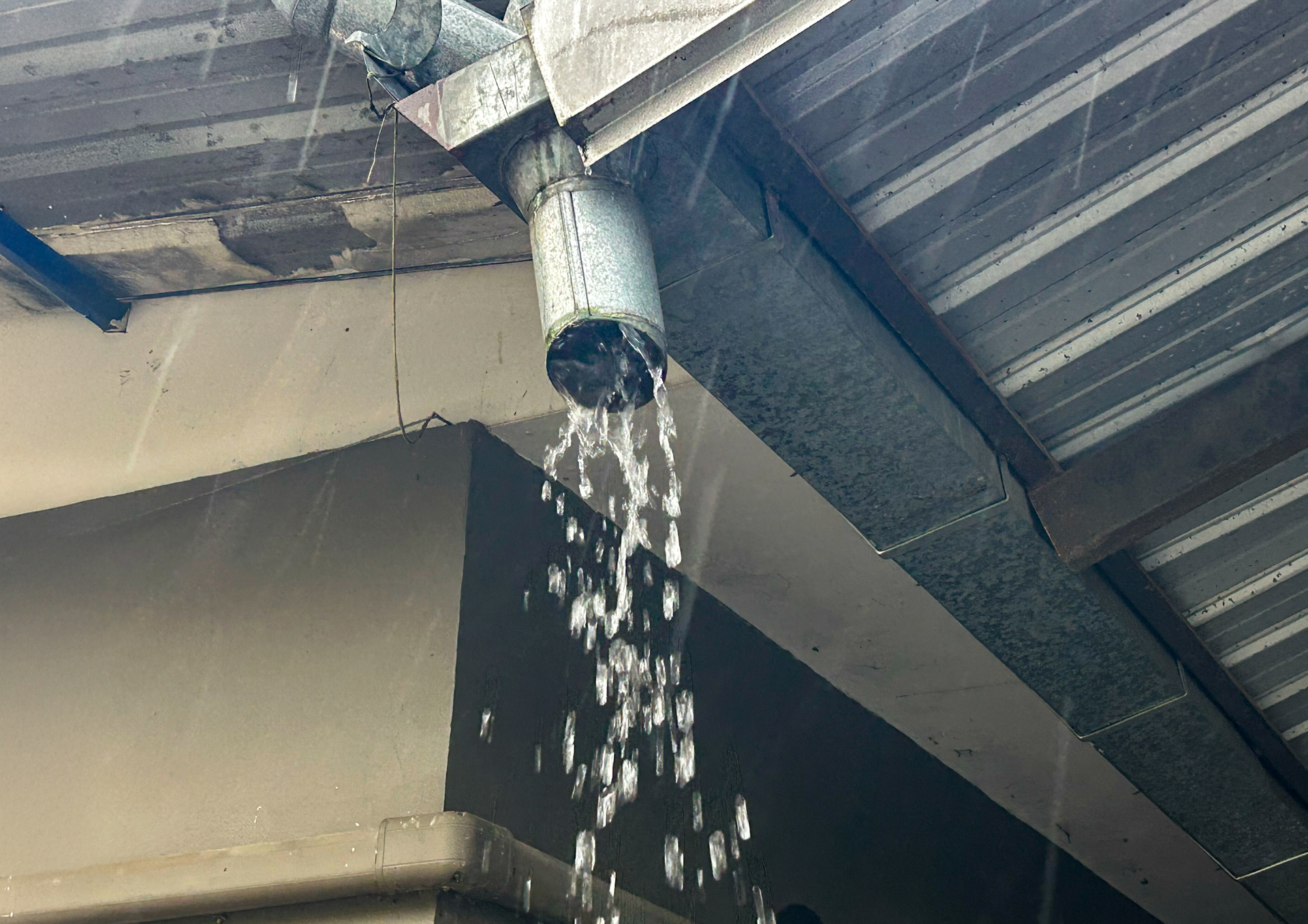
One of the clearest indications that attention may be required is water spilling over the edge of a gutter during rainfall. A properly functioning system should collect water from the roof and guide it towards the downpipes. If water begins pouring over the sides instead, an obstruction may be preventing normal drainage.
Leaves are a common cause, particularly during autumn, but they are not the only material capable of causing a blockage. Moss can loosen from roof surfaces, while twigs, seeds, dirt and small pieces of roofing material may gradually settle inside the channel. Over time, this material can compact and restrict the route that rainwater would normally follow.
People searching for gutter cleaning services near me may have already noticed water spilling from one particular section of their property. Although the problem can appear localised, the blockage may be situated elsewhere along the system or inside a downpipe, which is why the overall route of the rainwater should be considered.
Overflow is particularly noticeable during heavy rainfall, but smaller warning signs can appear before water begins pouring over the edge. A gutter may drain unusually slowly, water may remain standing after rainfall, or small amounts may drip from places where they would not normally appear.
Common signs worth watching for include:
- Water flowing over the front or rear edge of the gutter during rain.
- Standing water remaining in the channel after rainfall has stopped.
- Leaves, moss or vegetation visibly protruding above the gutter line.
- Water appearing to bypass or travel around a downpipe opening.
- Damp marks or discolouration developing beneath a particular section.
- Unusual dripping from joints, corners or connections.
- Debris gathering around the bottom of downpipes.
- Soil or paving directly below the roofline becoming unusually wet.
These symptoms should not automatically be treated as isolated issues. Rainwater systems work as connected components, so a restriction in one place can influence how water behaves elsewhere. A blockage close to a downpipe, for example, may cause water to collect along a much larger section of guttering.
Standing water can also add weight. Gutters are designed to carry rainwater temporarily while it drains, rather than hold a combination of water and compacted debris for extended periods. The additional load can place unnecessary strain on brackets and joints, especially where components are already ageing.
Commercial properties can face similar problems on a larger scale. Warehouses, offices, retail premises and public buildings may have substantial roof areas that collect significant volumes of rainfall. If outlets become restricted, water can build up quickly during periods of persistent rain.
Routine observation can therefore be useful. Property owners do not need to climb ladders to identify many warning signs. Watching how rainwater behaves from ground level during suitable conditions can reveal overflowing areas, irregular discharge and visible debris without unnecessary access to the roofline.
Sagging Sections, Staining and Changes Around the Roofline
Not every gutter problem first becomes apparent during heavy rain. Changes in the physical appearance of the guttering can also indicate that debris or standing water has been present for some time.
A section that appears lower than neighbouring areas may be carrying additional weight or may have developed a problem with its brackets. Once the intended fall of the gutter changes, water may stop travelling efficiently towards the outlet. This can create a cycle in which standing water encourages further debris accumulation, which then places additional strain on the system.
Property owners looking for guttering near me may be considering maintenance because the roofline no longer appears straight or because certain sections seem to retain water. These visual changes can provide useful clues about whether cleaning, assessment or further attention is appropriate.
Staining is another warning sign. Dark streaks beneath gutters, marks around joints or discolouration on exterior walls may indicate that rainwater has repeatedly travelled somewhere it was not intended to go. Individual marks do not necessarily reveal the exact cause, but recurring staining deserves attention.
External walls are designed to cope with normal weather exposure, but persistent water concentrated in one location can create unnecessary maintenance concerns. The purpose of the gutter system is to control roof runoff rather than allow large quantities of water to repeatedly flow down the building.
Changes around the roofline may include:
- Sections of guttering that visibly dip between brackets.
- Gaps developing between the gutter and fascia.
- Joints that appear misaligned or separated.
- Water marks beneath corners and connecting sections.
- Moss or algae growth around frequently damp areas.
- Peeling or deteriorating finishes close to repeated overflow points.
- Loose brackets or sections that move noticeably in windy weather.
- Persistent dampness around walls beneath the drainage system.
Some of these signs may indicate more than accumulated debris. Once a system has been cleared, it may become apparent that a bracket, joint or section requires further attention. Cleaning can therefore provide an opportunity to identify visible condition issues that were previously hidden by leaves and other material.
If someone begins searching for guttering repairs near me, it may be because sagging, leaking or displaced components have become noticeable. Cleaning and repair are different tasks, and determining which is appropriate depends on the condition of the system. A blockage can often be addressed through maintenance, while physically damaged components may require separate corrective work.
This distinction is particularly important for landlords and those responsible for multiple properties. Assuming every overflow is caused by a blockage can mean physical defects are overlooked, while assuming a component has failed before checking for debris can lead to unnecessary conclusions. A considered assessment helps establish what is actually happening.
Surveyors may also note staining, vegetation, sagging sections or unusual discharge patterns during external property observations. These signs can provide useful indications that the rainwater system deserves closer attention as part of wider building maintenance.
Plant Growth, Moss and Debris Becoming Visible
Plants growing from gutters are among the most obvious signs that maintenance has been delayed. Seeds can settle within accumulated leaves and organic matter, particularly where moisture remains trapped for extended periods. Once vegetation becomes visible from ground level, there is usually enough material present to interfere with normal water movement.
Even without plant growth, moss along the roofline or visible debris inside the channel can indicate that cleaning should be considered. Moss is particularly relevant because it can gradually detach from tiled roof surfaces and move towards the gutter whenever it rains.
During dry weather, accumulated material may appear relatively harmless. Problems often become clearer once sustained rainfall arrives and the available space inside the gutter is no longer sufficient to handle the volume of water coming from the roof.
Seasonal conditions can influence how quickly debris builds up. Autumn leaf fall is an obvious example, but maintenance requirements are not limited to a particular season. Spring blossom, seeds, windblown material and moss can all enter gutters at different times of year.
Properties surrounded by mature trees often require closer observation because leaves and small branches can collect quickly. However, a building does not need to stand directly beneath a tree to experience blockages. Wind can transport lightweight material considerable distances, while debris from the roof itself can accumulate gradually.
Those comparing gutter cleaning companies near me should consider whether the service is appropriate for the type and scale of property involved. Residential homes, blocks of flats, commercial premises and public buildings can have different access arrangements and roofline layouts, so maintenance should be planned with the individual building in mind.
Other indications that debris may be accumulating include birds regularly visiting the gutter, insects gathering around standing water and pieces of moss appearing near downpipe outlets. While these observations do not always mean there is a serious obstruction, they can justify closer inspection.
For residential properties, periodic visual checks from ground level are particularly useful after autumn or periods of strong wind. Landlords may also find it practical to incorporate roofline observations into wider property maintenance routines, especially where tenants may not notice drainage changes until overflowing becomes obvious.
Local authorities and commercial property managers often have larger portfolios to consider. Establishing a planned approach can make it easier to identify buildings where tree coverage, roof design or previous drainage problems create a greater likelihood of debris accumulation.
The goal is not to clean gutters unnecessarily but to recognise when the condition of the system indicates that maintenance is justified. Visible vegetation, compacted material and repeated overflow are practical signs that the gutter is no longer performing as freely as intended.
Why Timely Gutter Maintenance Matters for a Property
Gutter maintenance is fundamentally about controlling rainwater. A roof can collect a substantial amount of water during sustained rainfall, and the drainage system provides a defined route for moving that water away from sensitive areas of the property.
When considering gutter cleaning near me, timing can be important. Waiting until a blockage produces severe overflow may allow water to repeatedly affect walls, fascia boards, paving or ground close to the building. Responding to earlier signs can help maintain the intended drainage route and reduce unnecessary strain on components.
There is no single cleaning schedule that suits every property. A house surrounded by deciduous trees may collect debris much faster than a modern commercial building in an open setting. Roof type, height, surrounding vegetation, local weather and previous maintenance history can all influence how frequently attention is required.
A practical approach includes:
- Observing gutter performance during rainfall from a safe position.
- Checking for visible debris from ground level where possible.
- Looking for staining or repeated damp patches beneath the roofline.
- Paying attention to sections that appear to sag or sit unevenly.
- Monitoring areas near mature trees more closely during autumn.
- Checking whether downpipes appear to discharge normally.
- Considering maintenance after storms or periods of strong wind.
- Recording recurring issues on managed or commercial properties.
Safety should remain an important consideration. Rooflines can be difficult to access, and working at height introduces risks that are not present during ordinary ground-level maintenance. Property owners should avoid attempting access where suitable equipment, experience or safe working conditions are unavailable.
Professional cleaning can be particularly useful where buildings are tall, access is restricted or the layout includes extensions, conservatories and other features that make the roofline more difficult to reach. Commercial and public buildings may also require a more structured approach because of their size and the need to minimise disruption around occupied areas.
Keeping gutters clear also makes their physical condition easier to observe. Thick layers of leaves and sediment can conceal joints, outlets and sections of the channel. Once debris has been removed, visible deterioration or displacement can be identified more readily.
For landlords, maintaining rainwater systems forms part of the broader responsibility of keeping a property in manageable condition. For homeowners, it can help prevent small maintenance concerns from remaining unnoticed. Surveyors and local authorities may similarly benefit from treating gutters as part of routine external building observations rather than waiting for obvious drainage failure.
Chelmsford includes a varied mix of residential streets, older buildings, modern developments and commercial premises. Although each property has different maintenance requirements, the basic principle remains consistent: rainwater should be able to move from the roof into the gutters, through the downpipes and away from the building without unnecessary obstruction.
The most appropriate time to arrange maintenance is therefore often when early warning signs begin appearing rather than after the system has stopped functioning effectively. Regular awareness makes it easier to identify these changes and take proportionate action.
Gutter Cleaning Chelmsford provides practical support for residential and commercial properties where rainwater systems require professional attention. We understand that different buildings have different rooflines, access arrangements and maintenance requirements, which is why the condition and layout of the individual property should always be considered.
Our approach focuses on straightforward communication, careful working practices and appropriate maintenance rather than treating every property in the same way. Whether the building is a private home, rented property, commercial premises or part of a wider managed portfolio, we aim to provide a dependable service suited to its individual requirements.
If you are considering gutter cleaning near me after noticing overflowing water, accumulated debris or other warning signs, our service provides a practical way to address the condition of the system and help keep rainwater flowing effectively. Our aim is to make routine gutter maintenance straightforward while helping property owners and managers look after their buildings throughout the year.
Check out our latest X update on the key signs that it may be time to arrange
gutter cleaning near me and keep your gutters properly maintained!
You might also like