How Regular Rain Gutter Cleaning Protects Your Roof and Walls
A property's guttering system plays an essential role in managing rainwater and protecting the building from unnecessary moisture exposure. Although gutters are often overlooked during routine property maintenance, their condition can directly influence the long-term performance of roofs, external walls and surrounding structural features.
When gutters become blocked with leaves, moss, twigs and other debris, rainwater may struggle to flow towards the downpipes. Instead, water can accumulate inside the channels, overflow onto external surfaces or reach areas that are not designed for prolonged moisture exposure. Over time, these conditions may contribute to staining, damp patches, deteriorating finishes and damage to vulnerable building materials.
Regular rain gutter cleaning helps maintain clear drainage routes and reduces the likelihood of water collecting around important parts of a property. By removing accumulated debris before substantial blockages develop, property owners can support the effective operation of their roof drainage systems throughout the year.
In Chelmsford, residential and commercial properties experience changing weather conditions, including periods of heavy rainfall, autumn leaf fall and winter moisture. Buildings surrounded by mature trees or vegetation may be particularly vulnerable to recurring gutter obstructions.
For homeowners, landlords, surveyors and local authorities, understanding the relationship between gutter maintenance and building protection is an important part of responsible property management. The same principles apply to terraced houses, detached homes, rental properties, offices, shops and larger commercial premises throughout the UK.
How Blocked Gutters Can Affect Roofs and External Walls
Gutters are designed to collect rainwater flowing from roof surfaces and direct it towards downpipes and suitable drainage outlets. When these channels are clear and correctly positioned, water can travel away from vulnerable areas of the building in a controlled manner.
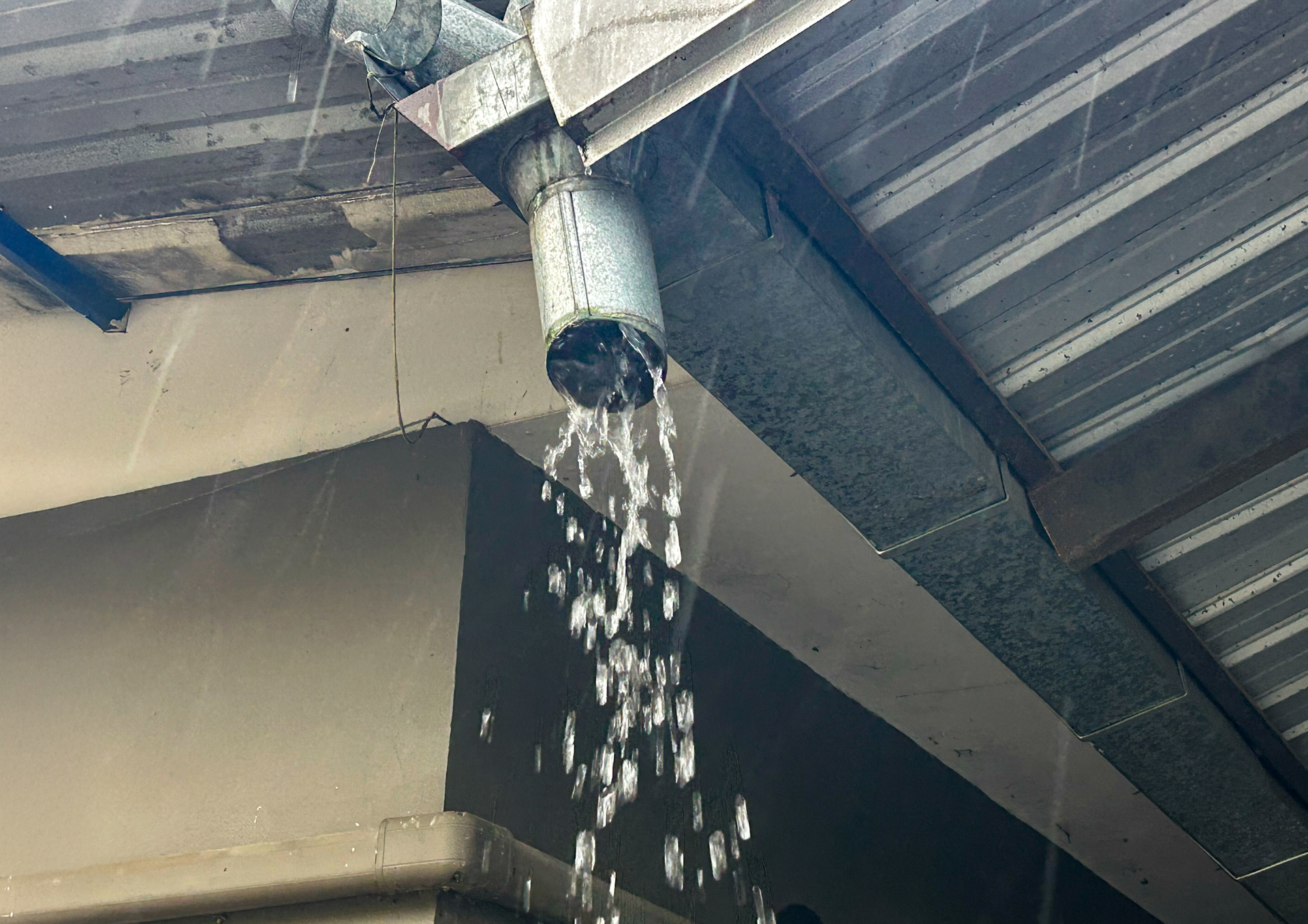
However, blockages can interfere with this process. Leaves, moss and sediment may gradually accumulate until water can no longer move freely along the gutter. During rainfall, the trapped water can rise above the gutter edge and spill onto nearby roof components, fascia boards and external walls.
Professional rain gutter cleaning near me searches often begin when property owners notice these visible signs of restricted drainage. Understanding how the problem develops can help explain why regular attention is important, even when no immediate damage is apparent.
Effects on roof edges and supporting materials
The lower edge of a roof is particularly exposed when rainwater cannot leave the gutter efficiently. Overflowing water may repeatedly wet fascia boards, soffits and other materials around the roofline.
Timber components can be vulnerable to prolonged moisture exposure, especially where protective coatings have deteriorated. Repeated wetting may contribute to surface damage, decay or weakening over time.
Although modern buildings frequently incorporate plastic or other moisture-resistant materials, these components still depend on appropriate installation and maintenance. Poor drainage can expose joints, fixings and surrounding building elements to conditions beyond their intended use.
Debris-filled gutters can also become unusually heavy, particularly when accumulated organic material absorbs rainwater. This additional weight may place stress on brackets and fixings, especially where the gutter system is already ageing or poorly supported.
Effects on brickwork, render and external finishes
External walls are designed to withstand normal weather exposure, but persistent water flowing down the same area can create additional problems. Overflowing gutters may cause dark streaks, staining or algae growth on brickwork and rendered surfaces. These visible changes can indicate that water is repeatedly reaching areas beneath the roofline.
Where mortar joints, render or other finishes are already deteriorating, repeated moisture exposure may contribute to further damage. Water can also find its way into vulnerable gaps around windows, joints and roof-to-wall connections.
Damp patches on internal walls can have several possible causes, so they should not automatically be attributed to gutter problems. Nevertheless, checking external drainage is a sensible part of investigating moisture concerns.
Effects on the surrounding property
Water overflowing from roof level can also affect areas closer to the ground. Repeated discharge near walls may increase surface moisture around the building, particularly where drainage is inadequate. Splashing can leave marks on lower brickwork, paths and nearby surfaces.
For properties with basements, lower-ground rooms or vulnerable external finishes, controlling rainwater around the building is especially important. The purpose of routine maintenance is therefore not simply to improve the appearance of the guttering. It is to help preserve the intended drainage route and reduce unnecessary exposure of surrounding building materials to water.
Important Signs That Your Gutters Need Attention
Gutter problems do not always develop suddenly. In many cases, debris accumulates gradually over several months before a noticeable obstruction forms. Recognising the early warning signs can help property owners arrange appropriate maintenance before the condition becomes more difficult to manage.
A professional rain gutter cleaning service can help address accumulated debris and assess which accessible sections require attention. However, property owners can also observe several warning signs from a safe position at ground level.
Common indicators include:
- Water overflowing during rainfall: Rainwater spilling over the gutter edge may indicate that the channel or outlet is obstructed. Persistent overflow can expose fascia boards, walls and surrounding surfaces to repeated moisture.
- Visible leaves and moss: Organic material protruding above the gutter can suggest that debris has accumulated inside. Even where water still appears to drain, the available space may be restricted.
- Plants growing from the gutter: Seeds can settle in decomposed leaves and sediment, allowing vegetation to establish itself. Visible plant growth often indicates that material has remained in the channel for an extended period.
- Sagging or uneven gutter sections: Excessive debris and trapped water may increase the weight supported by brackets and fixings. Sagging can also result from damaged supports or installation problems that require separate attention.
- Staining beneath the roofline: Dark marks on fascia boards, render or brickwork may suggest that water has repeatedly overflowed or escaped from a particular section.
- Water collecting near external walls: Persistent pooling below the roofline may indicate that rainwater is not being directed away as intended. Ground-level drainage and surface gradients should also be considered.
- Unusual dripping from gutter joints: Water escaping from connections may indicate a failed seal, poor alignment or another defect rather than a blockage alone.
- Repeated problems in the same location: Certain gutter sections may collect debris more frequently because of nearby trees, roof shape or the position of drainage outlets.
Not every warning sign confirms that a blockage is present. Damaged joints, incorrect gutter falls and defective downpipes can produce similar symptoms.
For this reason, it is useful to distinguish between problems caused by accumulated debris and those involving the condition or installation of the drainage system.
Homeowners should avoid attempting to reach elevated gutters without suitable training and equipment. Working at height introduces risks, particularly around wet roofs, fragile surfaces and uneven ground.
Landlords and property managers can support maintenance planning by encouraging occupants to report visible overflow, staining or unusual water discharge. These observations can help identify areas requiring attention without relying solely on scheduled inspections. For larger buildings, external surveys and maintenance records can provide a useful overview of recurring drainage concerns.
Why Seasonal Maintenance Matters for Long-Term Protection
The amount of debris entering gutters can change throughout the year. Weather conditions, surrounding vegetation, roof materials and building design all influence how quickly material accumulates.
Establishing a sensible approach to rain gutter maintenance can help property owners manage these changes and identify potential problems before they interfere significantly with drainage.
Autumn is often associated with increased leaf fall, particularly around properties surrounded by mature deciduous trees. Leaves can collect along roof edges and inside gutter channels, where rainfall gradually moves them towards outlets and downpipes.
As organic material becomes wet, it may begin to decompose and form compacted deposits. These deposits can trap additional debris and restrict water movement.
Winter introduces different concerns. Lower temperatures, persistent moisture and periods of freezing weather can place additional demands on drainage systems. Where gutters already contain standing water or substantial debris, freezing conditions may worsen existing problems.
Spring provides an opportunity to review the condition of the system following winter. Small twigs, roof sediment and moss may have accumulated during periods of wind and rain.
Summer is not necessarily free from drainage concerns. Sudden heavy showers can expose partial obstructions that were less noticeable during lighter rainfall. Vegetation growth and dry debris may also contribute to gradual accumulation.
Why property location influences maintenance needs
In Chelmsford, properties situated near established trees, gardens and landscaped areas may experience different debris levels from buildings in more open surroundings.
Residential streets with mature vegetation can be particularly affected by seasonal leaf fall. However, properties without nearby trees may still collect moss, roof sediment and airborne material.
Commercial buildings can have additional considerations. Larger roof areas may direct substantial volumes of rainwater towards a relatively small number of outlets. Keeping these outlets unobstructed is important for the overall performance of the drainage system.
Creating a practical maintenance schedule
There is no universal timetable suitable for every building. The appropriate frequency depends on the surrounding environment, roof condition, gutter design and previous maintenance history.
A property with limited nearby vegetation may require less frequent attention than a building positioned beneath several mature trees. Similarly, premises with complex roof layouts or gutters that regularly collect moss may benefit from closer observation.
Property owners should consider previous maintenance findings when deciding when to arrange further attention. If the same sections repeatedly accumulate debris, those areas may need to be monitored more closely.
Maintaining a simple record of completed work can also be useful. Details about previous blockages, recurring problem areas and observed drainage defects can support future decisions.
For landlords, surveyors and local authorities responsible for multiple properties, this organised approach can make maintenance planning more consistent.
Practical Ways to Keep Roof Drainage Systems Working Properly
Protecting a property's drainage system involves more than responding when water begins overflowing. Routine observation, appropriate maintenance and awareness of the building's surroundings can help reduce the likelihood of recurring problems.
Regular gutter cleaning forms part of this wider approach, supporting the movement of rainwater away from roof edges and external walls while helping property owners identify areas where debris commonly accumulates.
The following measures can support effective drainage:
- Observe gutters during rainfall: From a safe ground-level position, check whether water appears to be flowing towards downpipes or spilling over particular sections.
- Monitor nearby vegetation: Trees positioned close to rooflines can contribute leaves, seeds and twigs. Understanding where debris originates can help explain recurring accumulation.
- Check visible downpipe outlets: Where accessible and safe to observe, look for signs of obstruction or unusual water discharge around drainage connections.
- Pay attention to roof condition: Moss and loose roof sediment can gradually enter gutters. Changes in roof condition may therefore affect the amount of material entering the drainage system.
- Record recurring problem areas: If particular corners or outlets repeatedly become obstructed, keeping a note can help inform future maintenance.
- Consider garages and extensions: Smaller roof sections often have separate gutter runs that can be overlooked when assessing the main building.
- Avoid unsafe access: Elevated gutters, fragile roofs and restricted working areas should be approached with appropriate equipment and professional expertise.
- Arrange further assessment when necessary: Persistent overflow, damaged brackets, leaking joints or incorrectly positioned gutters may require attention beyond debris removal.
The importance of clear drainage around the building
A functioning gutter system depends on several connected components. Roof channels collect rainwater, outlets direct it towards downpipes, and ground-level drainage arrangements help move it away from the property. If one part of this arrangement becomes restricted or damaged, water may not follow its intended route.
For example, a clear gutter may still overflow if its outlet is obstructed. Similarly, a functioning downpipe may discharge water into an unsuitable location if the receiving drainage arrangement is defective.
Understanding these connections can help property owners recognise why effective rainwater management requires attention to the entire drainage route.
Maintenance considerations for different property types
Domestic properties often have relatively straightforward drainage arrangements, although extensions, conservatories and dormer conversions can create additional sections.
Rental properties may benefit from planned maintenance records, particularly where landlords manage several buildings or where occupants change regularly.
Commercial premises can have extensive gutter systems that serve large roof areas. Access arrangements, building height and operational requirements may influence how maintenance is planned.
Surveyors and local authorities may also need to consider the condition of drainage systems as part of wider building assessments.
Regardless of property type, the underlying objective remains consistent: keeping rainwater moving through suitable channels and away from vulnerable building elements.
A planned approach can help preserve the appearance of the building, support the condition of external materials and reduce the likelihood of avoidable drainage-related deterioration.
Roof drainage systems are an important part of protecting buildings from unnecessary moisture exposure. When gutters become obstructed, rainwater may overflow onto roof edges, external walls and surrounding surfaces, potentially contributing to staining, deterioration and other maintenance concerns.
Understanding the warning signs of restricted drainage allows property owners to respond before minor accumulation develops into a more substantial problem. Visible debris, overflowing water, sagging sections and recurring damp patches can all indicate that further attention may be appropriate.
Seasonal changes also influence maintenance requirements. Autumn leaf fall, winter moisture, spring debris and heavy summer showers can each affect the condition and performance of a drainage system. Regular rain gutter cleaning helps prevent excessive debris accumulation and supports the efficient movement of rainwater away from vulnerable areas of the building.
For homeowners, landlords, surveyors and local authorities in Chelmsford and throughout the UK, a proactive approach provides practical benefits. Monitoring vulnerable areas, maintaining clear drainage routes and keeping suitable maintenance records can support the long-term condition of residential and commercial properties.
By recognising the relationship between effective rainwater management and building protection, property owners can make informed decisions that help preserve roofs, walls and surrounding structures.
Gutter Cleaning Chelmsford provides a practical and professional approach to maintaining roof drainage systems for residential and commercial properties. We understand that every building has different requirements, depending on its roof layout, gutter condition, surrounding vegetation and accessibility.
Our approach focuses on clear communication, careful assessment and suitable maintenance planning. Whether a property requires routine attention or assistance with accumulated leaves, moss and other debris, our rain gutter cleaning approach aims to keep drainage routes clear while helping customers understand the work involved.
We recognise the needs of homeowners, landlords, surveyors and local authorities responsible for maintaining different types of buildings. From family homes and rental properties to offices and commercial premises, our focus is on providing dependable assistance that supports effective rainwater management and responsible property care.
By prioritising practical solutions and the individual characteristics of each building, we aim to help customers maintain clearer drainage systems, reduce the risk of water-related deterioration and protect the long-term condition of their properties.
Check out our latest X update on how regular
rain gutter cleaning helps protect your roof and walls from water damage, prevents blockages, and supports long-term property maintenance!
You might also like