Gutter Washing Tips for Cleaner and More Reliable Roof Drainage
Roof drainage systems play an important role in protecting residential and commercial properties from water-related issues throughout the year. Regular gutter washing helps remove leaves, moss, dirt, and debris that can restrict water flow and reduce drainage efficiency.
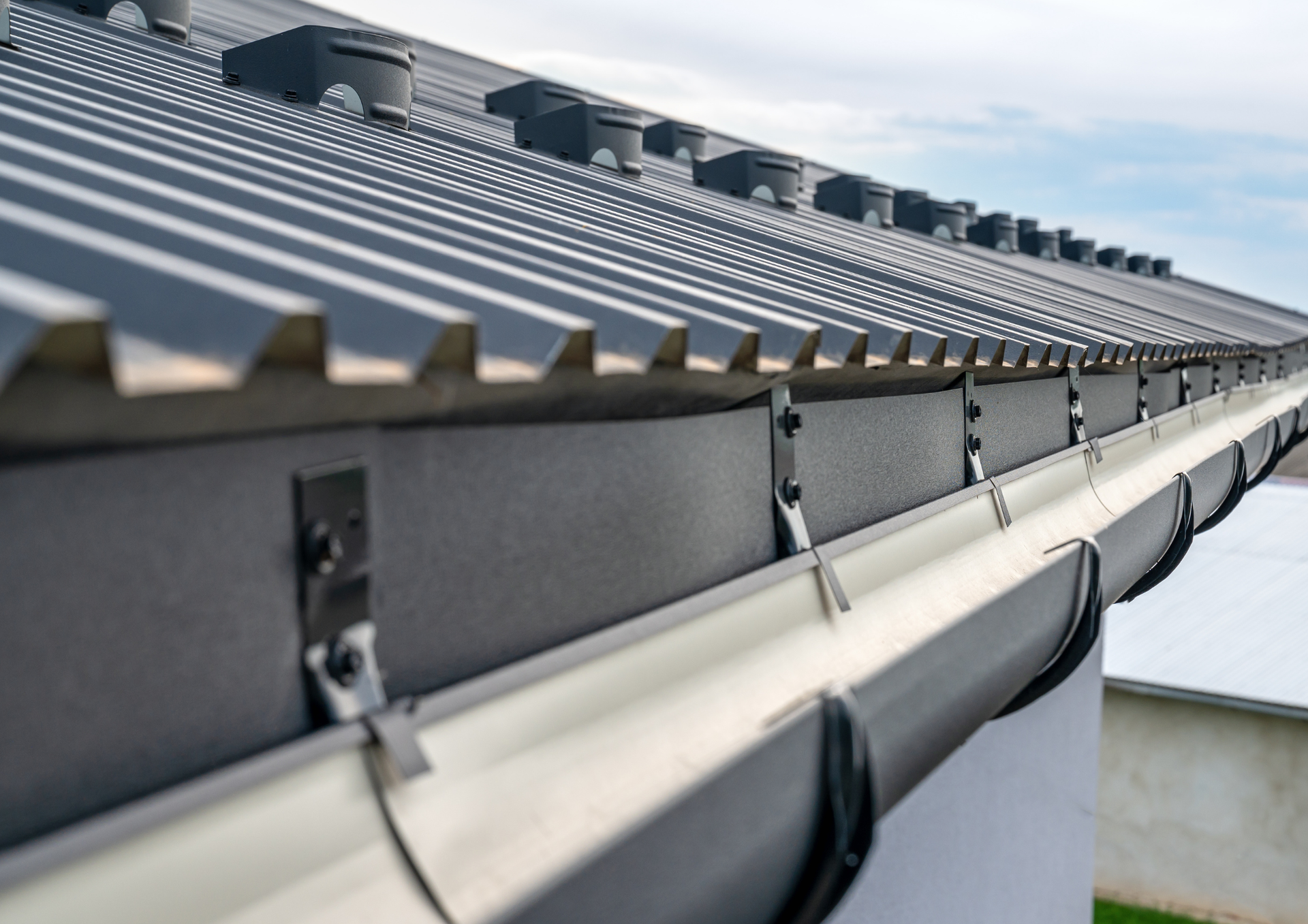
Gutters are designed to direct rainwater safely away from roofs, walls, and foundations, helping to minimise the risk of damp conditions, overflow, staining, and unnecessary structural wear. When debris is allowed to build up over time, water can no longer move freely through the system, often leading to overflow during periods of heavy rainfall, particularly throughout autumn and winter.
Many homeowners, landlords, surveyors, and local authorities understand the importance of maintaining effective drainage systems as part of wider property maintenance. Regular inspections and preventative care help identify potential problems before they become more serious.
Maintaining clean guttering also contributes to the overall appearance of a property, especially where visible staining or overflowing water has previously affected exterior surfaces. Proper maintenance does not always require complex procedures, but consistency is essential.
Understanding how roof drainage systems function and recognising early warning signs can help property owners reduce long-term maintenance concerns while supporting the condition of both older and modern buildings.
Understanding Why Gutters Become Blocked
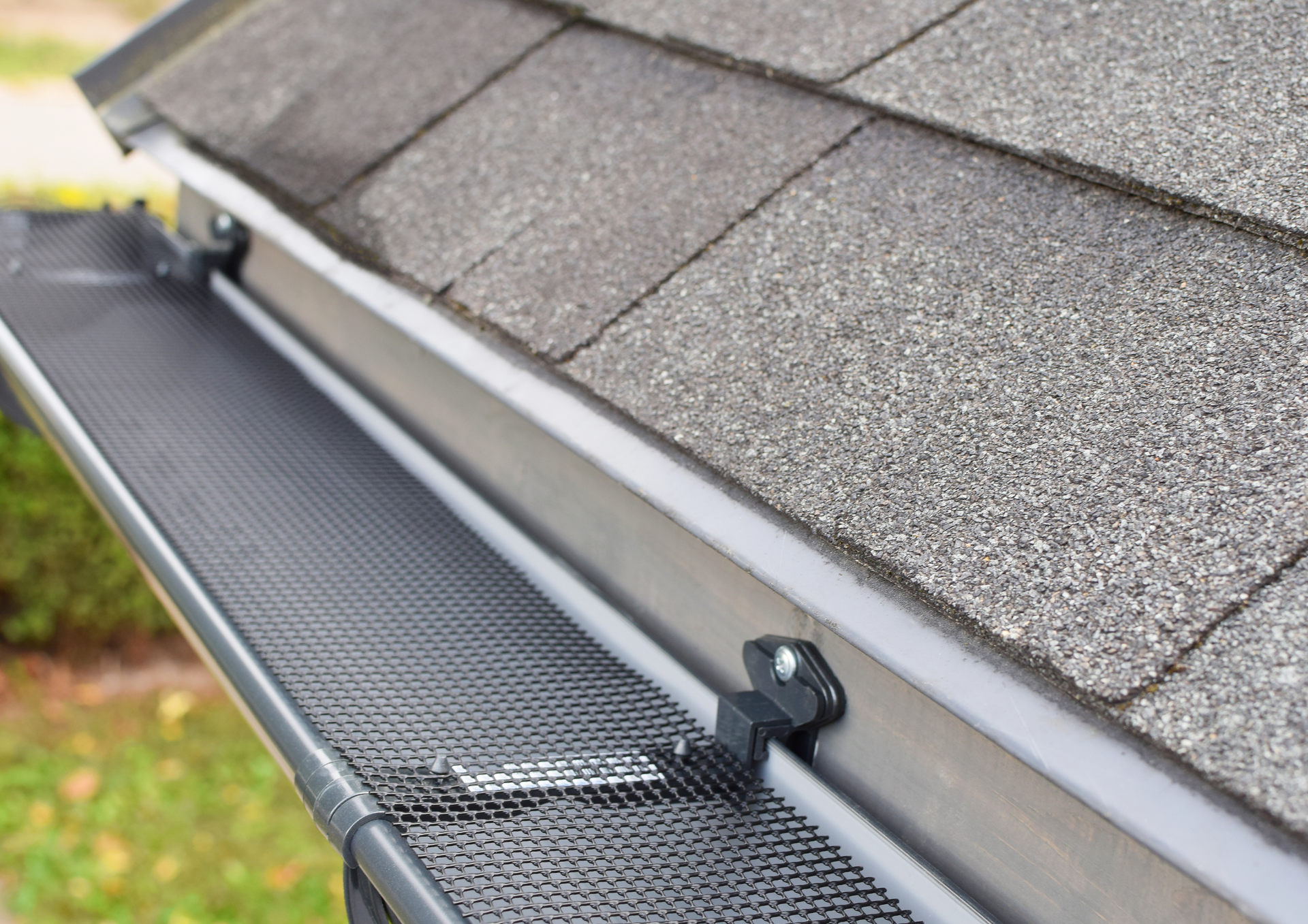
Gutters are constantly exposed to outdoor conditions, making them vulnerable to gradual debris build-up throughout the year. Leaves, moss, twigs, roof sediment, and airborne dirt can collect within channels and downpipes over time. In heavily wooded areas, gutters may fill more quickly due to falling leaves and organic matter during seasonal weather changes.
Weather conditions also influence how quickly drainage systems become obstructed. Wind can carry debris onto roofs, while heavy rainfall may compact material within guttering, making blockages more difficult to remove naturally. In some situations, bird activity can contribute to debris accumulation through nesting materials or organic waste entering the drainage system.
Blocked downpipes are another common issue affecting roof drainage performance. Even when gutters appear partially clear from ground level, internal pipe obstructions may still restrict water movement. Water overflow around joints or corners often indicates restricted flow further within the system.
Regular visual inspections help identify developing issues before severe overflow occurs. Overflowing water during rainfall, visible vegetation growth, sagging gutter sections, and staining on external walls are often early indicators that cleaning may be required. Paying attention to these signs allows maintenance to be carried out before larger drainage problems develop.
Professional gutter washing can help remove stubborn dirt, moss, and debris from external gutter surfaces while improving the overall condition and appearance of the drainage system. Careful cleaning also allows hidden defects or loose fittings to become easier to identify during maintenance checks.
Seasonal Maintenance Helps Prevent Drainage Problems
Regular seasonal maintenance helps keep roof drainage systems operating efficiently throughout the year. Different weather conditions create different pressures on guttering, which is why inspections and cleaning schedules should adapt to seasonal changes. Organised maintenance can help reduce the risk of blockages, overflow, and unnecessary water-related issues affecting residential and commercial properties.
Autumn Maintenance
- Falling leaves and organic debris often create the highest risk of gutter blockages during autumn.
- Moss, twigs, and damp debris can collect quickly within gutter channels and downpipes.
- Regular inspections during this period help maintain proper water flow during heavy rainfall.
Winter Drainage Concerns
- Trapped water inside blocked gutters may freeze during colder weather conditions.
- Frozen debris can place additional strain on gutter joints and brackets.
- Preventative maintenance before winter can help reduce overflow and drainage restrictions.
Spring Cleaning and Inspections
- Spring maintenance helps remove debris remaining after winter weather.
- Seasonal cleaning prepares drainage systems for increased rainfall during changing weather conditions.
- Property owners may also identify loose fittings or minor wear requiring attention after winter exposure.
Summer Property Checks
- Summer inspections allow property owners to assess gutter condition during drier weather.
- Heat-related movement, plant growth, and minor structural changes can become easier to identify.
- Properties surrounded by trees may still require regular monitoring throughout summer months.
Commercial and Residential Considerations
- Larger commercial buildings may experience higher water flow volumes during heavy rainfall.
- Residential properties near trees often require more frequent cleaning schedules.
- Regular maintenance supports wider property management responsibilities for landlords, surveyors, and facilities managers.
Responding to Unexpected Blockages
- Some property owners arrange same day gutter cleaning when overflow or visible blockage issues appear unexpectedly.
- Prompt maintenance can help reduce water spilling onto walls, pathways, entrances, or surrounding landscaping areas.
- Addressing drainage concerns early often helps prevent more serious maintenance problems later.
Long-Term Preventative Maintenance
- Consistent cleaning schedules help preserve drainage efficiency throughout the year.
- Preventative maintenance is often more manageable than dealing with prolonged water damage.
- Organised gutter care supports the long-term condition and appearance of residential and commercial properties.
Safe Cleaning Methods and Equipment Considerations
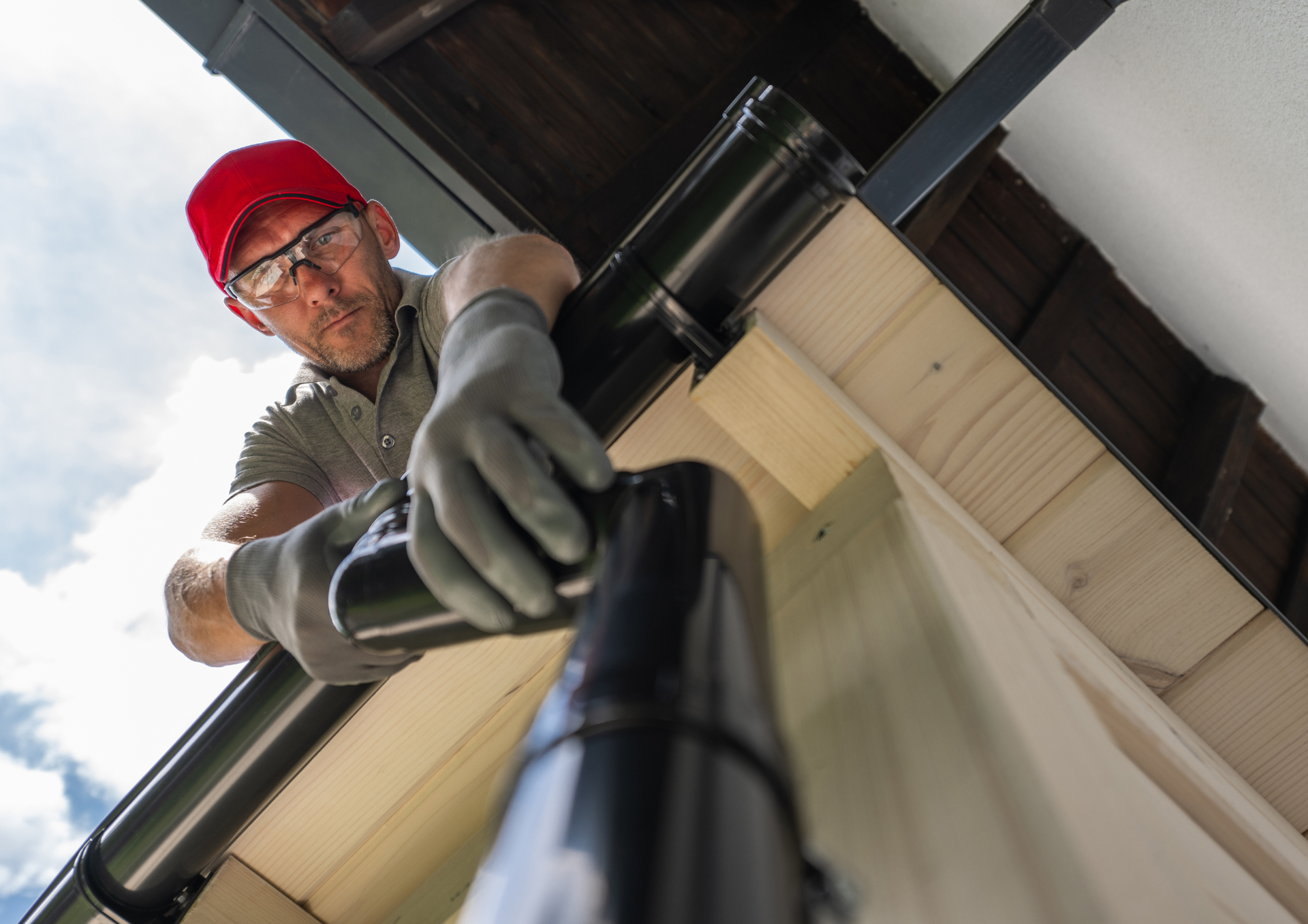
Proper safety procedures play an important role during gutter maintenance, particularly when carrying out gutter cleaning and pressure washing on heavily affected drainage systems.
Different properties require different cleaning methods depending on access, roof condition, and the level of debris accumulation present. Using suitable equipment and controlled cleaning techniques helps maintain effective drainage while reducing unnecessary strain on roofing materials, gutter joints, and external roofline components.
Working Safely at Height
- Gutter maintenance often involves working around uneven ground, wet surfaces, and elevated roof areas.
- Safe access planning is important before any cleaning work begins.
- Older roofing structures may require additional care during inspections and maintenance.
Choosing the Right Cleaning Approach
- Different buildings may require different cleaning methods depending on height and roof access.
- Smaller residential properties may allow ladder-assisted inspections in some situations.
- Larger commercial buildings often require specialist access equipment for safer maintenance.
Modern Gutter Cleaning Equipment
- Water-fed poles and vacuum systems are commonly used during modern gutter cleaning work.
- Controlled washing methods help remove debris while reducing pressure on ageing gutter brackets or joints.
- These approaches can support safer and more effective maintenance across different property types.
Exterior Surface Cleaning
- Some properties may require gutter cleaning and power washing where algae, moss, or dirt staining has developed.
- External washing can help improve the appearance of fascias, soffits, and surrounding roofline areas.
- Restoring cleaner external surfaces may also help improve overall drainage performance.
Managing Pressure Washing Carefully
- Pressure settings should always be controlled carefully during cleaning work.
- Excessive force may damage seals, brackets, or older gutter materials if unsuitable equipment is used incorrectly.
- Period properties and fragile roofline sections often require more controlled cleaning methods.
Using Specialist Cleaning Equipment
- A pressure washer gutter cleaner may sometimes be used where heavy debris or surface contamination requires additional support.
- Careful handling remains essential to avoid directing excessive pressure into vulnerable joints or roofing materials.
- Equipment selection should always match the condition and structure of the property being maintained.
Professional Assessment and Maintenance
- Professional maintenance providers often assess roof condition and drainage flow before selecting a cleaning method.
- Access requirements and structural considerations influence the most suitable maintenance approach.
- Careful planning helps ensure cleaning work remains effective while reducing unnecessary stress on the building structure.
Long-Term Benefits of Maintaining Clear Roof Drainage
Consistent gutter maintenance helps support the long-term condition, appearance, and drainage performance of residential and commercial properties. Effective water flow management reduces the likelihood of overflow-related issues while helping property owners maintain safer and cleaner external environments throughout the year.
Protecting Property Structures
- Efficient drainage helps reduce the risk of rainwater collecting around foundations, walls, roof edges, and entrances.
- Unmanaged overflow may gradually contribute to damp conditions, staining, erosion, or unnecessary external wear.
- Regular maintenance supports the long-term condition of roofing materials and surrounding structures.
Maintaining Outdoor Areas
- Clear gutter systems help protect paving, pathways, fencing, and landscaped areas surrounding the property.
- Overflowing water can gradually affect flower beds and external surfaces where drainage becomes concentrated repeatedly.
- Proper water management helps maintain cleaner and safer outdoor spaces during changing weather conditions.
Supporting Roofline Components
- Maintained drainage systems help reduce standing moisture near roof edges and gutter joints.
- Blocked guttering may place additional strain on brackets and fittings over time.
- Preventative maintenance can help reduce the potential for corrosion or material deterioration.
Property Management Benefits
- Landlords, surveyors, and facilities managers often include drainage checks within wider maintenance programmes.
- Preventative maintenance helps reduce avoidable repair disruption later.
- Operational drainage systems support more organised long-term property management.
Reassurance During Heavy Rainfall
- Regular maintenance helps ensure roof drainage systems continue functioning efficiently during wet weather.
- This becomes particularly important during seasonal storms or prolonged rainfall.
- Effective drainage helps reduce the inconvenience caused by water overflow around the property.
Improving Property Appearance
- Cleaner guttering helps improve the visual condition of residential and commercial buildings.
- Overflow stains, moss growth, and debris accumulation can affect visible rooflines and entrance areas over time.
- Routine cleaning supports a cleaner and more organised external appearance throughout the year.
At
Gutter Cleaning Chelmsford, we understand the importance of maintaining clear and reliable roof drainage systems for both residential and commercial properties. Our website focuses on providing practical information, organised maintenance support, and straightforward guidance for homeowners, landlords, surveyors, and local authorities seeking dependable drainage care solutions.
We aim to make gutter washing and general gutter maintenance easier to understand while supporting customers with clear advice and professional service information suitable for properties in any location. Our approach focuses on reliability, safe working methods, and helping property owners maintain cleaner and more effective roof drainage systems throughout the year.
Don't Miss Out on X:
Helpful gutter washing advice for better roof drainage.
You might also like